Lab Grade Essential Oil Maker

The Lab Grade Essential Oil Maker delivers professional CO₂ extractions with advanced stainless steel design, precise flow control, and integrated flash chromatography—perfect for labs, universities, and innovators.
Lab Grade CO2 Extractor and Chromatography System

Fountain (Lab Grade)

Subcritical Fluid CO2 Extraction and Flash Chromatography System.

(5)

$7,999 (plus shipping)

Flexible payment plans are available starting at $322.10/mo.

  • Capacity: 2oz Dried Biomaterial
  • Two in-line filter frits: 15 micron included
  • Avg Essential Oil Yield: 10%
  • Safe Low-Pressure: <900PSI
  • Power Supply: 120V, 300W, 11amp
  • (model .4LSFEC)

$7,999 (plus shipping)

Payment Plans Starting At: $322.10/mo
36 months
Interest (15.00% APR)
 
 
    • Average Expected Outputs = Range 1%-20%
    • Extraction Time = 4-8 hours
    • Compatible with Co-solvents
    • Automatic Pressure Relief Valve
    • 7 Runs per 1 lb tank, or 35 runs per 5lb tank
Ingredient Percentage:5.0%(Ranges from 1% to 10% Depending on the Botanical and Application)
CO2’s/AbsolutesAvg Yield (%)Avg Yield (ml)Ingredient per mlInfused Product (ml)
Amberette Seed1%0.560.02811.2 
Angelica Root1%0.560.02811.2 
Arnica1%0.560.02811.2 
Black Cardamom5%2.520.12650.4 
Black Cumin3%1.680.08433.6 
Black Pepper6%3.1360.156862.72 
Blood Orange3%1.680.08433.6 
Blue Lotus1%0.560.02811.2 
Cannabis2%1.120.05622.4 
Cardamom Pod Green3%1.680.08433.6 
Carrot3%1.680.08433.6 
Chamomile1%0.560.02811.2 
Cinnamon3%1.40.0728 
Citronella4%1.960.09839.2 
Cocoa Bean2%1.120.05622.4 
Coriander Seed3%1.680.08433.6 
Lavadin6%3.26480.1632465.296 
Lavender (China)2%1.120.05622.4 
Lavender Extra1%0.560.02811.2 
Lemon balm12%6.76480.33824135.296 
Fennel 3%1.680.08433.6 
Ginger5%2.80.1456 
Hemp17%9.520.476190.4 
Hops14%7.840.392156.8 
Jasemine1%0.560.02811.2 
Juniper (blue) Ground5%2.6880.134453.76 
Koji Blood Orange4%1.960.09839.2 
Koji Plai Ginger1%0.6720.033613.44 
Lemon Verbena1%0.560.02811.2 
Long Pepper4%1.960.09839.2 
Myhrr6%3.4720.173669.44 
Nutmeg10%5.60.28112 
Peppermint (USA)1%0.6720.033613.44 
Pink Pepper4%2.4640.123249.28 
Rosemary (common)3%1.7920.089635.84 
Rosemary (creeping)4%2.240.11244.8 
Sage (common)4%2.1280.106442.56 
Turmeric3%1.680.08433.6 
Vanilla2%1.120.05622.4 
Frankincense6%3.1360.156862.72 
Palo Santo1%0.560.02811.2 
Sandlewood2%1.120.05622.4 
Tobaco1%0.560.02811.2 
Rose 1%0.560.02811.2 
Cedarwood1%0.560.02811.2 

Payment Plans Starting At: $322.10/mo
36 months
Interest (15.00% APR)

Select yours at checkout!

Are There Ongoing Costs?

Yes. In addition to the upfront investment, consider:

  • Software licenses and updates.
  • Training or Application Support.

Parts and Accessories

Filter Basket

Stainles steel mesh filter basket. Holds 2oz of material.

 $7.69 – $9.68

Gaskets

100% Pure Buana-N Rubber Gaskets. Food Grade.

 $7.69 – $9.68

CO2 Tank

Empty CO2 tank for refills. Standard fitting. 2.5lb capacity.

 $18.33 – $73.32

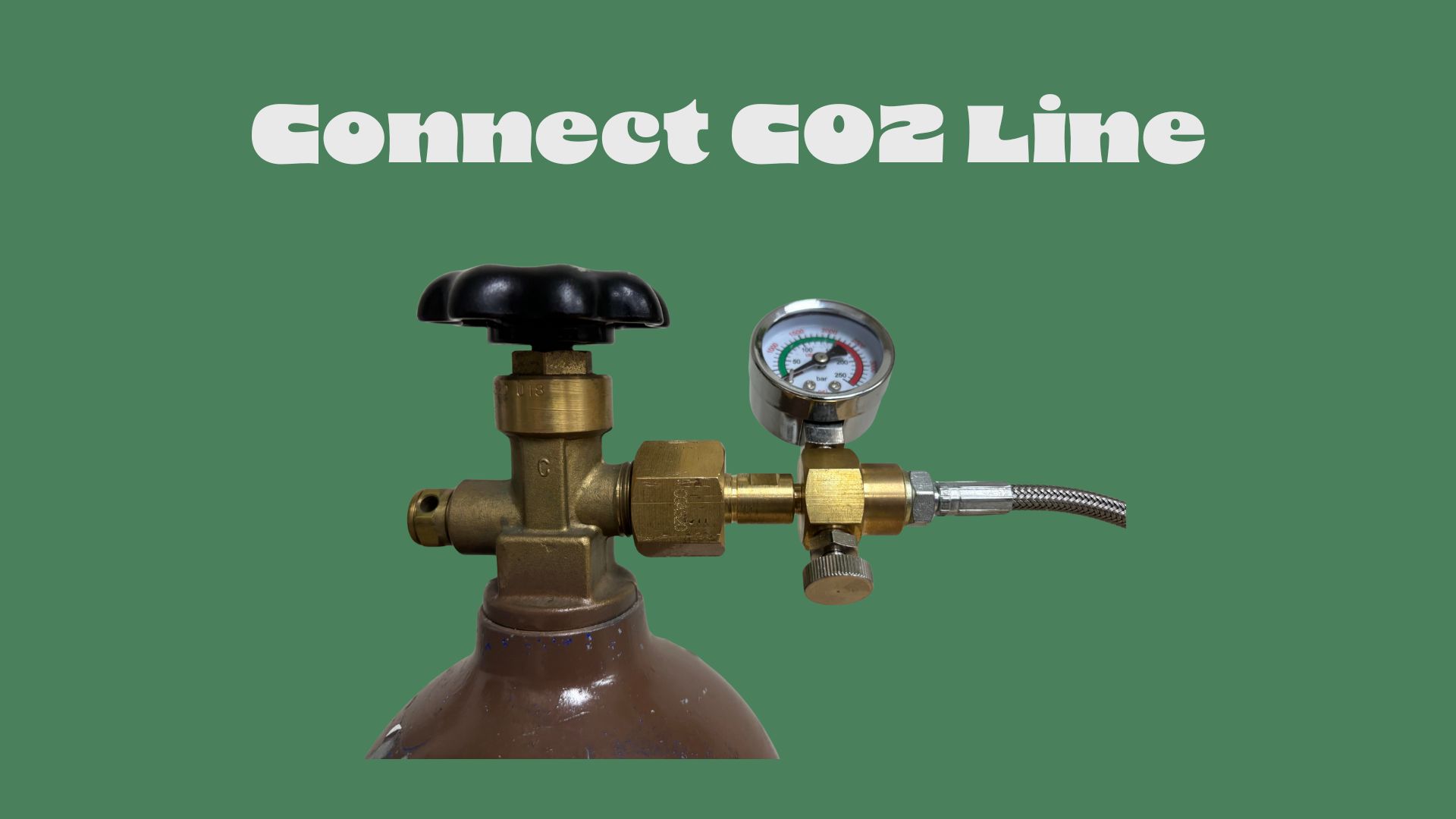
CO2 Hose

High pressure hose for connect your fountain to CO2 tank.

 $35.99

How it works...

More Videos...

More Information...

Lab Grade - Small Scale Liquid CO2 Chromatography

CO2 chromatography offers a dual advantage, utilizing a liquid to dissolve the medium matrix and an inert gas to propel materials through filters and media. Typically, the eluent strength is enhanced by incorporating a polar co-solvent, such as methanol, often with a low concentration (~1%) of a weak acid or base. While the solvent strength of CO2 can be heightened by increasing density or introducing a polar co-solvent, it’s crucial to note that this may result in the co-solvent dominating as the mobile phase. Common co-solvents include simple alcohols like methanol, ethanol, or isopropyl alcohol. For food-grade materials, it is advisable to opt for ethanol or ethyl acetate as co-solvents, both recognized as generally safe for food production.

Promo Code

Why Low Pressure Liquid CO2?

Lower pressures equal lower cost. CO2 extraction technology, a longstanding method, has garnered significant interest from major pharmaceutical and chemical enterprises. These entities have heavily invested in this technology to acquire novel compounds, often necessitating higher pressures to rupture resilient cell structures. As pressure levels escalate, so does the demand for sturdier and pricier equipment, distancing unit economics from consumer affordability. Consequently, many compounds end up being artificially synthesized to maintain cost-effectiveness for the end-user. However, when assessing the vast array of botanical compounds, it becomes evident that only a minority require such rigorous conditions, namely high pressures, for extraction and isolation. Numerous botanical compounds, particularly aromatic ones, lend themselves to extraction and isolation at lower pressures. This approach not only reduces the need for expensive machine components but also lowers unit costs while yielding a pure, natural extract.

Safe and Efficient

1. Safety – CO2 Extraction is one of the safest method of extracting botanical oils from biomass. Furthermore, there are ZERO residual and potentially harmful solvents that end up in the product. Our machines are equipped with a blow off valve set below the lowest pressure rated fitting and if under the worst case scenario all the CO2 gets let out of the system there is only 867PPM per run which is well below the OSHAA short exposure 30,000PPM limit. Additionally, you would have to run the machine 5x times consecutively with no ventilation to pass the 8hrPPM limit.

2. Quality – Enhance quality assurance for producers and processors with our CO2 systems, allowing them to stay ahead in production planning without significant resource commitments. Our machines are equipped with top-notch components, ensuring materials come into contact with high-quality, food-grade 316 stainless steel for optimal performance and safety.

3. Efficiency – Our CO2 machines are designed for robustness, featuring minimal moving components to ensure longevity and deliver consistent results repeatedly. Utilize these machines to fine-tune your operational efficiencies before scaling up to mass production, ultimately saving valuable time and resources in the long run.

Published Articles